Proven Benefits of Soy
Soy isn’t just history; it’s a health story still unfolding.

“Diet-related disease is a real problem in the country we live in. Adding soy to a healthy diet can help fight the number one killer of Americans – heart disease.”
Mandie Smith, a clinical dietitian and co-founder of the first American culinary competition featuring minimally processed whole soybeans, encourages everyone to learn more about soy’s powerful role in heart health.
Curious about adding whole or minimally processed soy to your weekly meals?
Get the facts below.
Why Whole Soy Deserves a Spot on Your Plate
Soy is shaking up the American plate in all the right ways—delicious, nutrient-dense, affordable, and sustainable.
For decades, soybeans have been used mainly as a food ingredient, often overlooked in nutritional comparisons. This has led to a misunderstanding about their real value.

All Beans Are Good—but Soy Stands Out
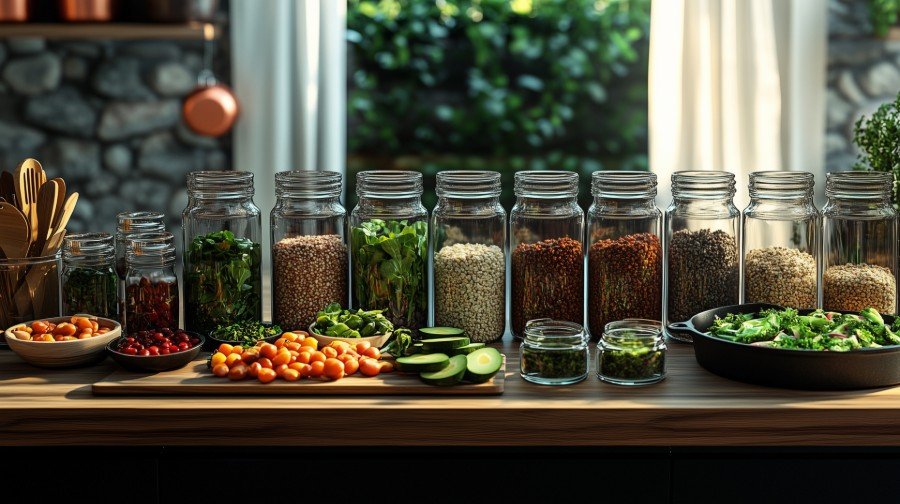
Most beans must be paired with grains, greens, nuts, or dairy to form a complete protein. Soybeans are a naturally complete protein and loaded with nutrients that support your overall health.
Nutrition Facts: Do Math and See for Yourself.
Comparing is Believing. How do your beans stack up?
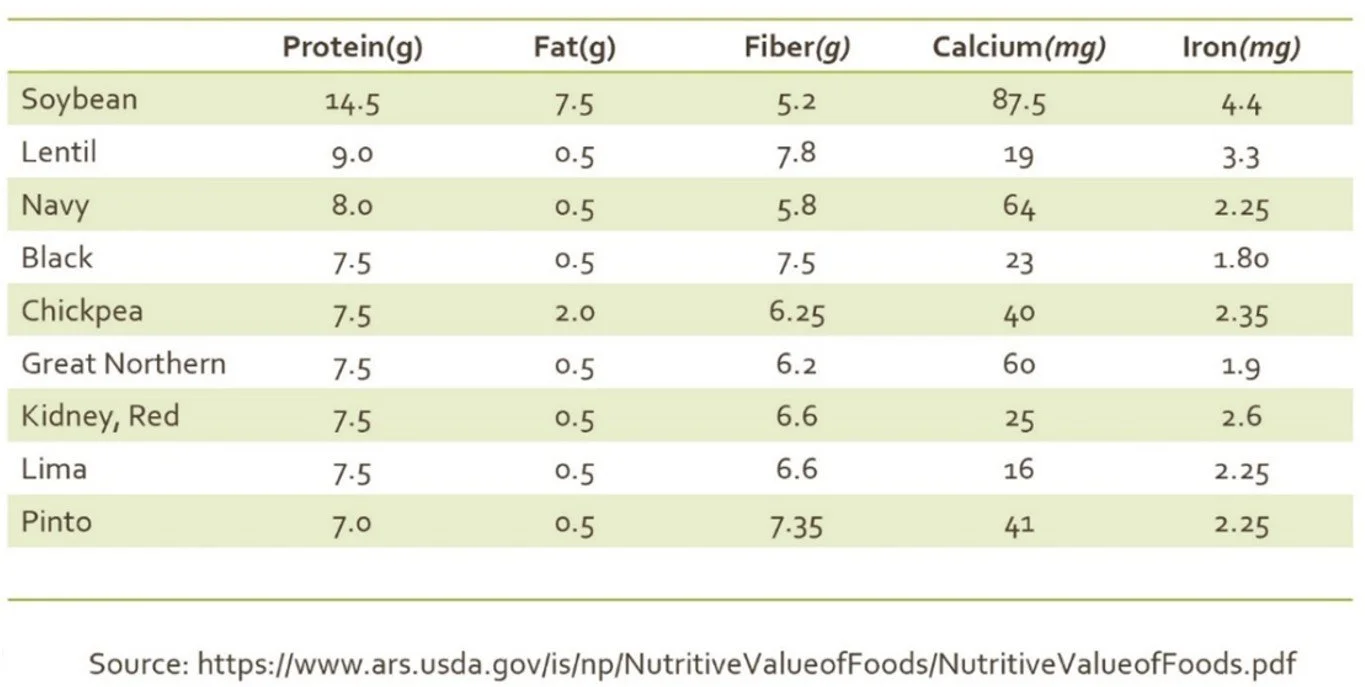
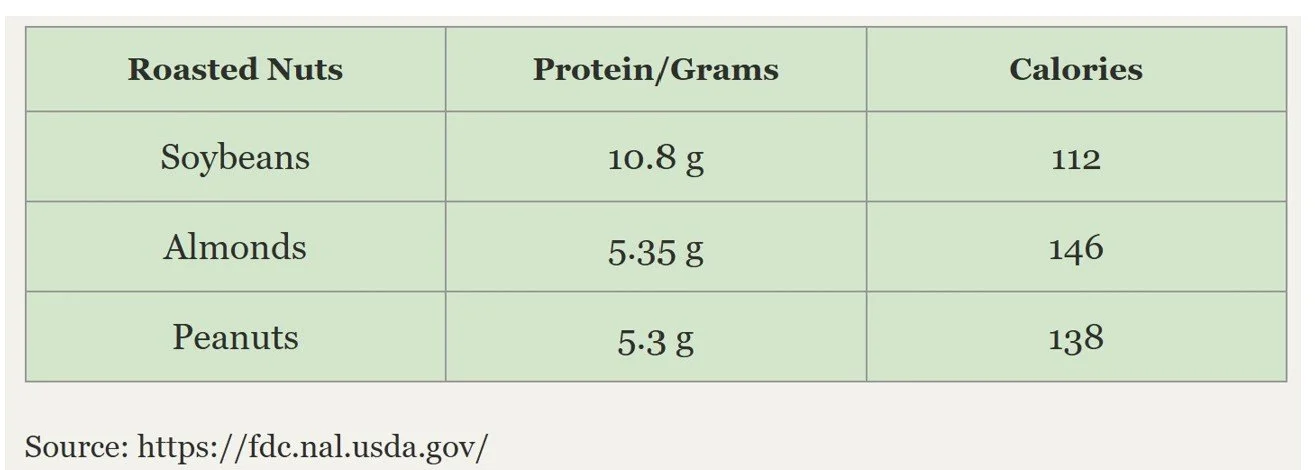
Nutrition tip: the value of what you eat depends on three things-
Each ingredient’s nutritional profile
How it’s cooked or prepared
What you serve it with
Make every bite count.
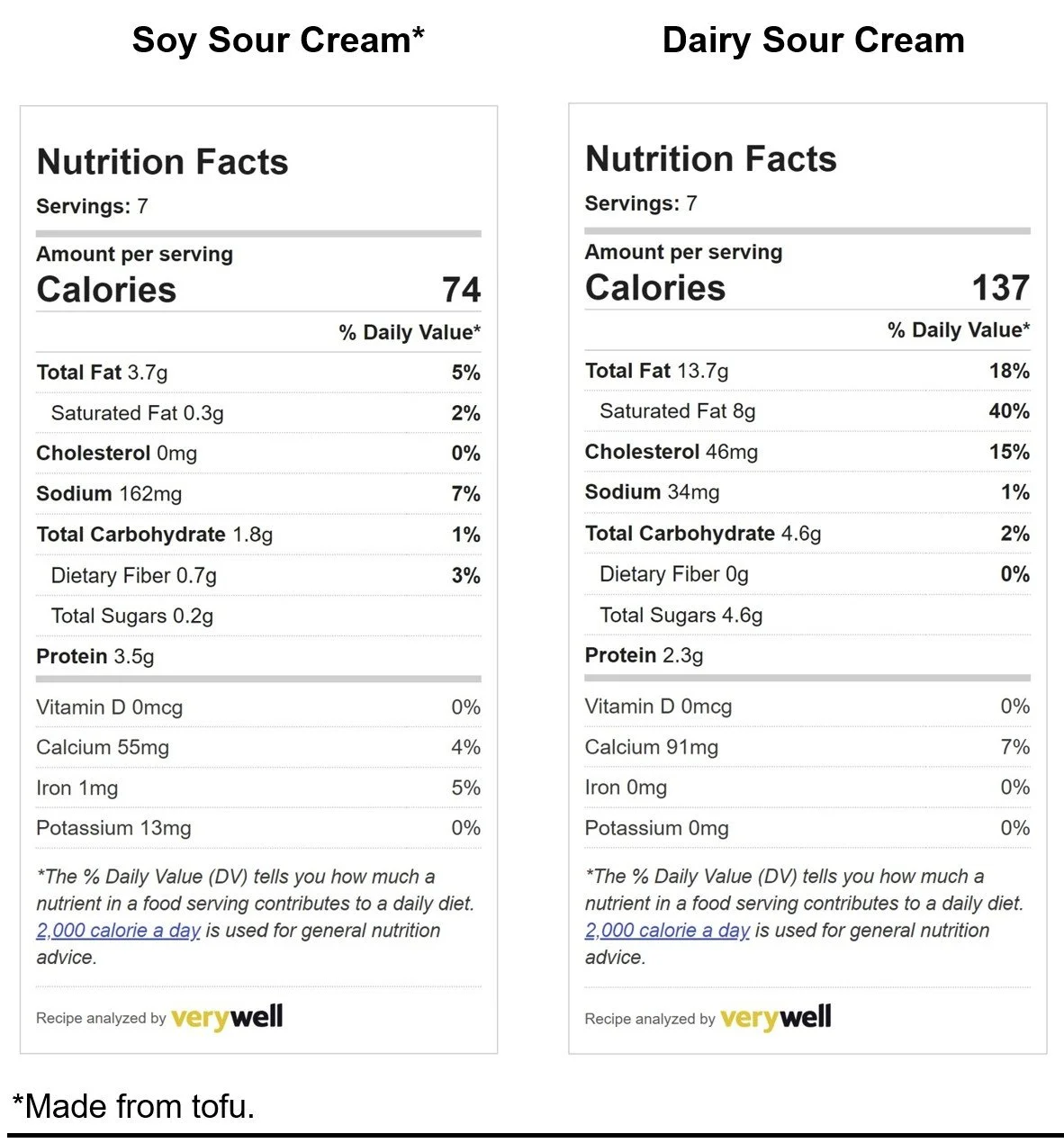
Thanks to its healthy oil, soy is a smart swap in cooking, baking, dressings, and even dairy! Check out the difference between soy sour cream and dairy sour cream.
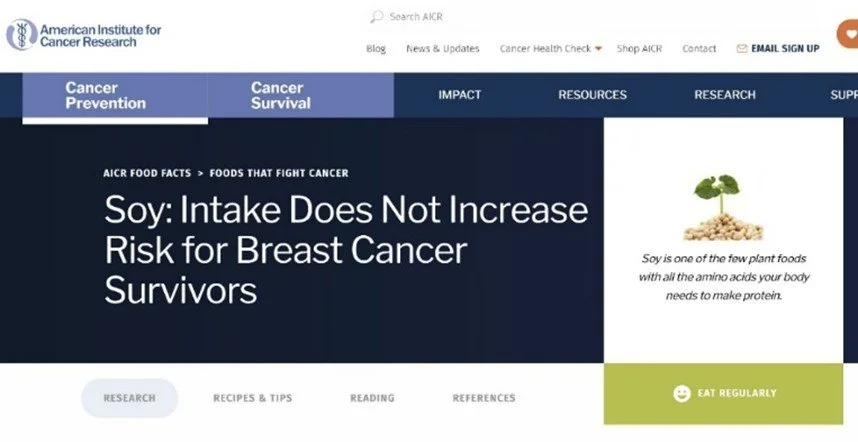
Don’t be misled by common urban legends about soy.
Setting the Record Straight on Soy and Cancer
There’s a lot of misinformation out there—but here’s what trusted medical experts say:
“Soy foods may (in fact) decrease overall cancer risk.”
— MD Anderson Cancer Center (Van Thomme & Adams, 2024)
Senior clinical dietitian Christie Siebel explains that confusion often comes from the term phytoestrogen, a plant compound that only sounds like estrogen.
“Because phytoestrogen and estrogen sound similar, there has been hesitation around eating soy, especially among patients with hormone-sensitive cancers. But recent research shows soy intake may actually reduce cancer risk—including lung, prostate, and breast cancer.”
A 2022 meta-analysis supports these findings, showing that soy consumption may lower the risk of all types of cancer.
Read the full MD Anderson article.
Additional Resources
American Cancer Society (March 21, 2025): Soy and cancer risk: Our expert’s advice
UCLA Health (2025): The health benefits of soy
Wei et al., 2020 (Eur J Epidemiol): Soy intake and breast cancer risk study
Explore More
Learn more about common American myths and research-based facts below.
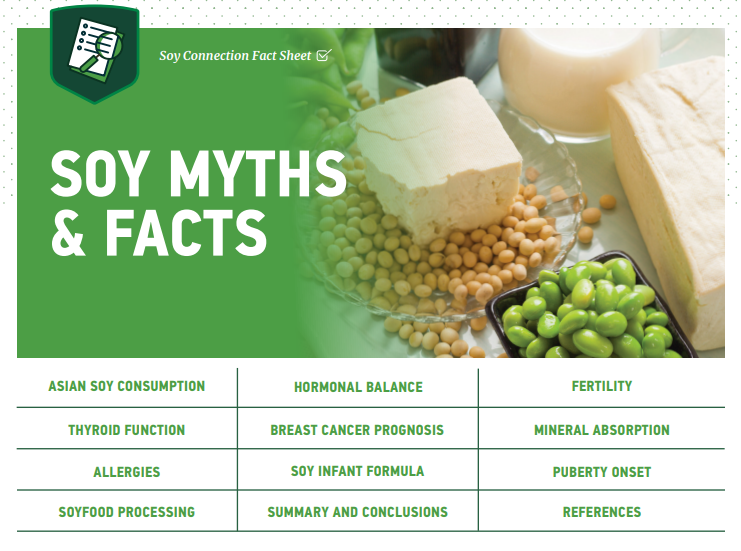
A Reference Guide for Health Professionals